

South Florida Birds
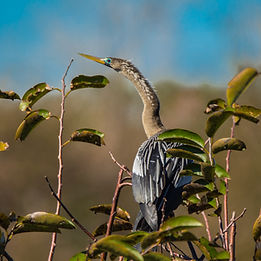
Anhinga - Female
Habitat(s): Freshwater swamps, marshes, and ponds
Food: Fish
Lifespan: up to 10 years in the wild
Size: 30 to 37 inches with up to 43 inch wingspan
Fun Fact: Anhinga are related to pelicans and cormorants and you see them drying their feathers.

Belted Kingfisher
Habitat(s): Freshwater streams, rivers, lakes and estuaries (brackish water)
Preferred Food: Fish, crustaceans, amphibians, insects and more
Lifespan: 6 to 10 years in the wild
Size: 11 to 13 inches with 19 to 23 inch wingspan
Fun Fact: Females are colored more brightly than males.

Black Neck Stilt
Habitat(s): Freshwater wetlands and along coastal areas (brackish or salt)
Food: Aquatic invertebrates and insects, tiny fish
Lifespan: Up to 5 years in the wild
Size: 14 to 15 inches with 28 to 30 inch wingspan
Fun Fact: Black-necked stilts will hop and jump to scare away predators from their nests.

Black-Bellied Whistling Ducks
Habitat(s): Fields, Lawns, Freshwater ponds and rivers, Brackish mangroves and lagoons
Food: Plants, seeds, aquatic insects and snails
Lifespan: 8 years in the wild
Size: 19 to 22 inches with 30 to 37 inch wingspan
Fun Fact: These ducks spend more time than other ducks walking on land or perching in trees.

Black-Crowned Night Heron (juvenile)
Habitat(s): Freshwater marshes, swamps, lakes, rivers and salt marshes, tidal mudflats, and lagoons
Food: Leeches, earthworms, insects, crayfish, clams, mussels, fish, amphibians, lizards, eggs
Lifespan: Up to 20 years in the wild
Size: 22 to 26 inches with a 45 inch wingspan
Fun Fact: The males chose the nest site, usually in cattails or in a tree, and starts building the nest while looking for a mate.

Blue Winged Teal Ducks
Habitat(s): Freshwater ponds and pond-marsh mixes
Food: Insects, grains, and vegetation
Lifespan: 10 to 17 years in the wild
Size: 14 to 16 inches with a 22 to 24 inch wingspan
Fun Fact: These ducks are the latest ducks to migrate northward in spring, and one of the first to migrate southward in fall.

Cattle Egrets
Habitat(s): Grasslands
Food: Insects, especially grasshoppers and crickets
Lifespan: 7 to 10 years in the wild
Size: 18 to 22 inches with a 34 to 38 inch wingspan
Fun Fact: Called Cattle Egret because they ride on the backs of cattle and pick/eat the ticks.

Double-Crested Cormorant
Habitat(s): Located mostly in freshwater, but can be found in coastal areas
Food: Fish, amphibians, insects, and crustaceans
Lifespan: Up to 20 years in the wild
Size: 27 to 35 inches with a 45 to 48 inch wingspan
Fun Fact: Very skilled diver who also dries its feathers out by spreading its wings.

Florida Fulvous Whistling Duck
Habitat(s): Prefer freshwater wetlands, but they can be found in flooded grasslands and pastures.
Food: Feed at night on waste grain (especially rice), seeds, and plant materials
Lifespan: Up to 10 years in the wild
Size: 17 to 21 inches with a wingspan up to 29 inches
Fun Fact: They are a native of Florida.

Glossy Ibis
Habitat(s): Freshwater marshes, swamps, flooded fields and brackish estuaries and coastal bays
Food: Crabs, crawfish, insects, small snakes
Lifespan: up to 26 years in the wild
Size: 19 to 26 inches with a 36 inch wingspan
Fun Fact: It has iridescent, dark feathers on its head, back, neck, belly and shiny green feathers on its wings and tail.

Great Blue Herons
Habitat(s): Freshwater marshes, swamps, riversides, lake shores, ponds and in shallow coastal waters
Food: Fish, reptiles, amphibians, small mammals and birds – especially baby birds.
Lifespan: Up to 15 years in the wild
Size: up to 60 inches tall with a 6 foot (72 inch) wingspan
Fun Fact: The Great Blue Heron has been around for over 1.8 million years.

Great Egret
Habitat(s): Freshwater streams, lakes, ponds, marshes and saltwater marshes and coastal areas
Food: Frogs, snakes, crayfish, fish, mice, and aquatic insects
Lifespan: Up to 15 years in the wild
Size: 40 inches tall with a 55 inch wingspan
Fun Fact: Like many egrets, their eyes and beak turn different colors during mating season.

Green Heron
Habitat(s): Freshwater marshes, ponds and brackish mangrove swamps
Food: Mainly eat fish and invertebrates
Lifespan: 8 to 11 years in the wild
Size: 16 to 18 inches tall with a 25 to 27 inch wingspan
Fun Fact: They hang out on bottom branches to do their fishing and sometimes use bait.

Least Bittern
Habitat(s): Freshwater or brackish marshes
Food: Small fish and insects
Lifespan: 8 years in the wild
Size: 11 to 14 inches long with 16 to 18 inch wingspan.
Fun Fact: Very shy bird which makes them the hardest North American marsh bird to locate.

Limpkin
Habitat(s): Freshwater marshes, swamps and shores of ponds, lakes, and rivers (canals).
Food: Apple Snails and Freshwater Mussels
Lifespan: in the wild
Size: 25 to 29 inches long with 40 to 42 inch wingspan
Fun Fact: Limpkins have long windpipes that allow them to “scream” to mark their territory.

Little Blue Heron
Habitat(s): Freshwater marshes and brackish estuaries
Food: Small fish, amphibians, and crustaceans
Lifespan: Up to 7 years in the wild
Size: 27 to 30 inches long with 40 inch wingspan
Fun Fact: Little blue herons have a purple head and neck and a dark gray-blue body. They are not your “common” blue.

Loggerhead Shrike
Habitat(s): Prefer open grasslands but can be spotted in trees around freshwater wetlands
Food: Insects, amphibians, reptiles, small mammals
Lifespan: Up to 12 years in the wild
Size: 8 to 10 inches tall with an 11 to 13 inch wingspan
Fun Fact: They are known to impale their prey on thorns or barbed wire fences to store it for later eating.

Mockingbird
Habitat(s): Areas with open ground or areas with shrubs in parks and suburban areas
Food: Omnivore that eats insects, fruits, seeds, and greens
Lifespan: up to 8 years in the wild
Size: Length 8-10 inches with a 12-14 inch wingspan
Fun Fact: Mockingbirds use their wings like flags -- called a “wing flash” and they dive bomb people and animals

Moorhens (aka Common Gallinules)
Habitat(s): Freshwater ponds, marshes, canals, or brackish marshes
Food: Seeds of sedges and grasses, and some snails.
Lifespan: 1 to 3 years in the wild
Size: Up to 14 inches with a 21 to 21 inch wingspan
Fun Fact: Moorhens have long toes which allow them to walk on floating vegetation.

Mottled Duck
Habitat(s): Freshwater and brackish marshes, ponds, and wet prairies
Food: Small aquatic invertebrates, insects, and grass seeds, stems, and roots
Lifespan: Up to 2 years in the wild
Size: 17 to 24 inches with 31 to 33 inch wingspan
Fun Fact: Year round resident of Florida.

Osprey
Habitat(s): Shorelines and freshwater rivers and canals
Food: Live fish exclusively
Lifespan: 15 to 20 years in the wild
Size: 21 to 23 inches tall with 60 to 70 inch wingspan
Fun Fact: Fly with their fish head first for aerodynamics.

Pied-Billed Grebe
Habitat(s): Freshwater marshes, lakes, rivers and brackish estuaries
Food: Fish, amphibians, aquatic insects, crustaceans
Lifespan: 10 to 12 years in the wild
Size: 12 to 15 inches
Fun Fact: Dives from the surface and swims underwater to forage for food.

Red-bellied Woodpecker
Habitat(s): Woodlands, forest edges, freshwater wetlands, suburban trees
Food: Mostly spiders, insects, acorns, pinecone seeds, fruits
Lifespan: Up to 12 years in the wild
Size: Averages 10 inches
Fun Fact: These Woodpeckers have red on the top and back of their head and a red tinge on their belly that is hard to see.

Roseatte Spoonbills
Habitat(s): Freshwater marshes and brackish marshes, lagoons, mangroves
Food: Small fish, aquatic invertebrates, aquatic insects, some plant materials
Lifespan: Up to 10 years in the wild
Size: 28 to 34 inches long, up to 2 ½ feet tall, with a 48 to 52 inch wingspan
Fun Fact: Baby chicks don’t start getting the spoon bill until after 9 days old – it takes nearly 39 days to flatten.

Snowy Egret
Habitat(s): Freshwater swamps, ponds and brackish mangroves and lagoons
Food: Fish and crustaceans; may eat frogs, snakes, worms, and insects
Lifespan: Up to 15 years in the wild
Size: 22 to 26 inches tall with a 39 inch wingspan
Fun Fact: They stir up mud under water using their feet and then use their bills by stabbing for prey.

Tricolored Heron
Habitat(s): Freshwater marshes, ponds, and shallow waters of rivers; coastal estuaries, mangroves, lagoons Food: 90% small fish, small crustaceans, insects, and amphibians
Lifespan: Up to 17 years in the wild
Size: 23 to 27 inches and an average 37 inch wingspan
Fun Fact: They get lunged and snapped at by their youngsters.

White Ibis
Habitat(s): Freshwater wetlands, swamps, marshes and coastal estuaries; also suburban yards as they have become accustomed to humans
Food: Insects, crustaceans, earthworms, lizards, snails
Lifespan: Up to 20 years in the wild
Size: 23 to 27 inches tall with an average 38 inch wingspan
Fun Fact: Baby White Ibises are born with straight bills - after 14 days old, their bills start to curve downward

Wood Storks
Habitat(s): Freshwater marshes, swamps, streams and brackish mangroves
Food: Fish, aquatic invertebrates, frogs and sometimes small snakes or mammals
Lifespan: Up to 10 years in the wild
Size: 33 to 45 inches tall with 60 to 69 inch wingspan
Fun Fact: They are bald-headed wading birds that are the only stork breeding in the United States.